
Why
Sri Lanka?
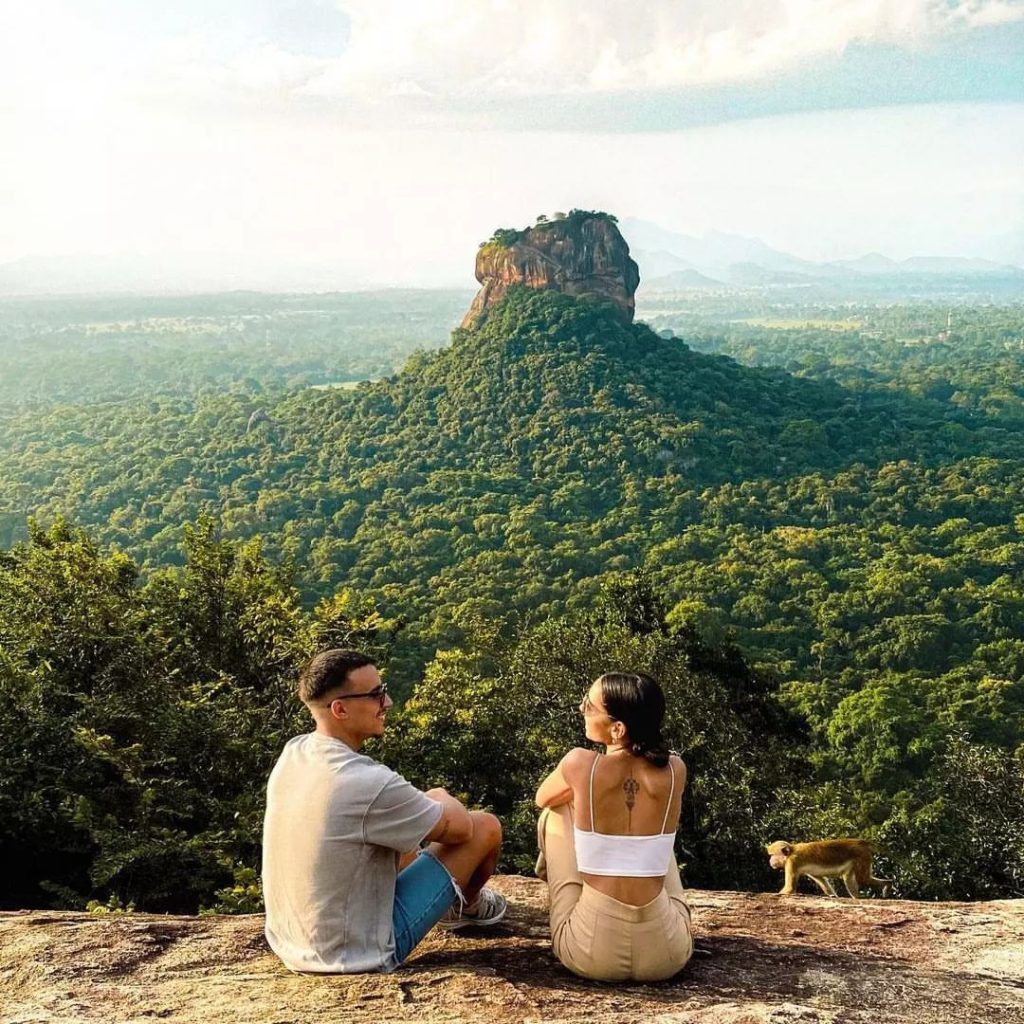
It is the number one destination on the planet for travelers from around the world for the last decade because it has a diversity of attractions from uncanny beaches with warm water, golden sand, aquamarine Sea, soothing sunshine, an extensive wildlife, a mysterious et of ancient cities ‘with 5 World Heritage Sites’, an exceptional cultural heritage, benevolent people, a unique hill country altitude above coast level with a temperate climate, vast flat plains, a fascinating desert, an equatorial rain forest, a slow life and plenty of tranquility.
Culture
Sri Lanka has a recorded history of over 2600 years, however, ancient & medieval stories date back to over 7000 years to pre historic works of art & paintings. So, it’s rich culture is based on that glorious past although its written history began to be collections of texts since the advent of Buddhism into the Island from mainland India.
The predominant occupations of the majority of the people are Fishing, Farming, Teaching and Craftsmanship though in modern times an increasing number of them have adapted themselves to work in the public sector, manufacturing, construction, clerical and numerous other services.
The attractive shoreline enticed numerous foreign visitors to settle in the country, as the beach ‘borders’ were open. Although they dwelled on the coastal areas at the time they landed, they inter married with those already settled later to become the Sri Lankans with diverse backgrounds & upbringing.
Festivals
In addition to the majority Sinhalese Buddhists & the small number of indigenous natives, people of almost all its neighbors including African, Indian, Malaysian, Arab, Chinese, Indonesian & some Eurasians call the Island their home. This introduced almost all other religions to the country including Hinduism, Christianity, Islam and Sufism making it a melting pot of cultures. So many religious & cultural festivals such the Sinhala & Tamil Harvest New Year, Deepavali, Thai Pongal, Ramazan, Hadji, Christmas & 31st Night New Year are celebrated throughout the land by those born to such a culture & their friends with holidays given for everyone.
Food
As people with many distinct cultures have learned to live together in the land, life has become interesting & enjoyable to celebrate & taste one another’s peculiar cuisine. Some of the main cuisines used in present, has been inspired by the colonials. Another interesting fact is people from different parts of the country use their own unique styles and ingredients to prepare the same dish. This enables people to find an excuse to take a day off, exchange greetings, be fun & share the distinct tastes of each of the delectable cuisines of the numerous cultures. This has been so much fun making it a land of delicious food of many sorts, which we share with our foreign guests.
Biodiversity
The tropical climate of the coastal regions, the temperate climate of the central highlands, lush green vegetation in between in the lowlands, a tropical rain forest in the southwest, the dry zone plains of the north central areas and some desert area in the Mannar Island make Sri Lanka an exceptionally interesting, diverse and fascinating land for bio diversity.
The Fauna such as the wild horses of Delft Island in the north east are unique to that isle only. The Sambar, bear and Leopards found in the Central Highlands are different to their counterparts found elsewhere. While Mammals such as the cow, goat, pig, chickens, peacocks & dogs are pretty much common all over the land. Elephants hang out in the wild jungle areas near lush Greens to eat and the estuaries and lakes of the low country or the plains up north to have sufficient water to drink.
One can observe the colour of the vegetation change as one goes uphill in to the highlands where the temperate zone is. Plants such as Lime, orange, pineapple & coconuts don’t grow in the cold weather of the highlands. While Banana, Papaya, Melon, Jak, & mangos grow all over the island.
Geography
Flat plains begin from the northern parts such as Jaffna peninsula, Mannar island & Mullaitheevu with intermittent rocks & small hills up to the Wilpattu National Park, Anuradhapura & Gal Oya regions with plenty of lakes and the longest river ‘Mahaveli’ flowing through the shrubs of the plains to end at Trincomalee to the Bay of Bengal. This is the Arid or Dry zone of the land.
The West, South & South East of the Island termed as the Wet zone along with the Central Highlands is a more comfortable region to live with lush green vegetation, rolling hills, Spice, Rubber & Tea Plantations, waterfalls and a number of estuaries, lakes, streams, brooks and the four major Rivers of the south “Kelani, Kalu, Gin & Walawe” Rivers discharging its contents to the Indian Ocean. Most of the 22 million population of the country live in this area.
According to an Astronaut of a satellite hovering over the clouds, Sri Lanka appears to be the most beautifully shaped Island of the Indian Ocean on the pale blue planet, located like a tear drop of the Indian Peninsula isolated from the mainland. It appears as if it is connected to the smaller Rameswaram peninsular of south India with that of Mannar Island to the north west of the country north of the equator. This is because there had been a rock bridge made of curved stones on which visitors crossed across the mainland to travel to this intriguing Island.
Climate
Being an island located north of the equator, the long vast coastline experiences warm & breezy ‘summertime’ weather 365 days a year, while the central highlands, which is approximately a third of the island is cooler sitting at approximately over 2000 meters above sea level.
The rainy season depends on the Monsoonal winds which blow diagonally. The south-west monsoon coming from the Indian ocean occurs from April to June while the north-east monsoon comes from the bay of Bengal between September and November.
However, the weather patterns have changed due to some anomalous phenomenon, so even the farmers who know the weather quite well, couldn’t quite predict or determine when it’s going to rain anymore in this certain chaos.
With a rain forest packed inside the island, it generates its own rainfall to water the plantations, forests and other agriculture which grows abundantly to supplement the diet of the smiling & singing people along with plenty of sun, wind & seafood supplied from the abundant shoreline of deserted beaches. Generally, the best time to visit the western and southern coasts as well as the cultural triangle is between December and April, while touring the east coast the climate is at its finest from May through to October.